
Fellowship in Neurosurgery
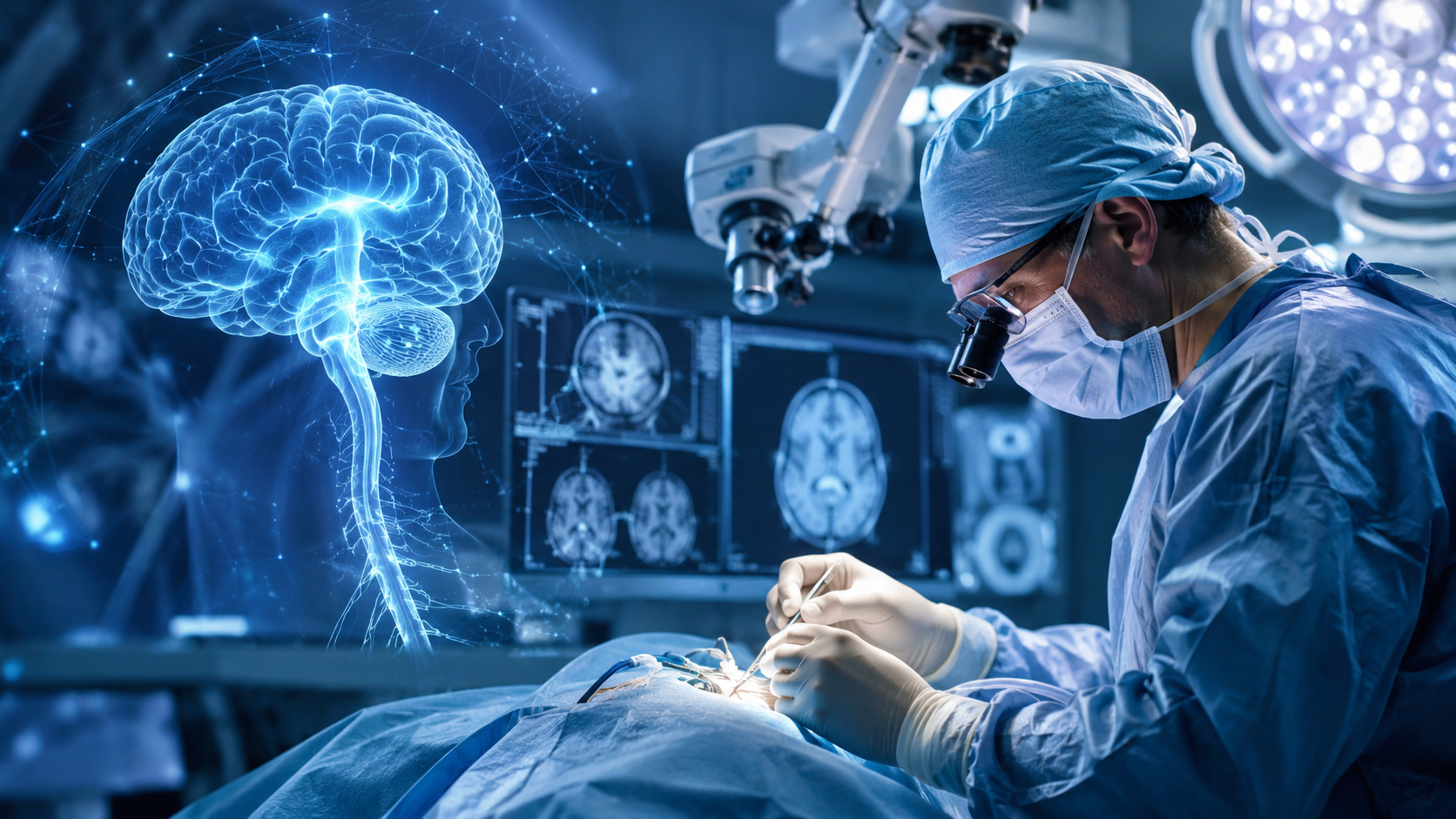

The Fellowship in Neurosurgery by Medova Medical Academy is an advanced medical training program designed for doctors and healthcare professionals who wish to develop a strong academic and clinical foundation in the field of neurosurgery. Neurosurgery is one of the most precise, complex, and rapidly evolving specialties in modern medicine, requiring deep knowledge of neuroanatomy, clinical diagnosis, imaging interpretation, emergency decision-making, operative principles, and post-operative care. This fellowship is structured to help learners understand the core concepts of brain, spine, peripheral nerve, and neurovascular conditions through a systematic and clinically oriented approach.
The Fellowship in Neurosurgery by Medova Medical Academy is an advanced medical training program designed for doctors and healthcare professionals who wish to develop a strong academic and clinical foundation in the field of neurosurgery. Neurosurgery is one of the most precise, complex, and rapidly evolving specialties in modern medicine, requiring deep knowledge of neuroanatomy, clinical diagnosis, imaging interpretation, emergency decision-making, operative principles, and post-operative care. This fellowship is structured to help learners understand the core concepts of brain, spine, peripheral nerve, and neurovascular conditions through a systematic and clinically oriented approach.
This program introduces participants to the essential principles of neurosurgical practice, beginning with applied neuroanatomy and neurological examination. Learners will develop a clear understanding of brain and spinal cord anatomy, cranial nerves, functional areas of the brain, spinal pathways, and clinical localization. The fellowship also focuses on the evaluation of patients with common neurological and neurosurgical presentations such as headache, seizures, weakness, altered consciousness, trauma, back pain, spinal cord compression, intracranial hemorrhage, and brain tumors.
A major focus of the fellowship is the interpretation of neuroimaging and its role in neurosurgical decision-making. Participants will be guided through the basics of CT brain, MRI brain and spine, angiography, and other relevant diagnostic tools used in neurosurgical practice. Through case-based learning, learners will understand how imaging findings are correlated with clinical signs, how urgent conditions are identified, and how treatment plans are developed.
The course also covers important emergency neurosurgical conditions, including traumatic brain injury, acute spinal trauma, intracranial bleeding, raised intracranial pressure, hydrocephalus, stroke-related emergencies, and neurosurgical ICU care. Participants will gain insight into initial assessment, stabilization, referral pathways, pre-operative preparation, and post-operative monitoring. This makes the program especially valuable for doctors working in emergency medicine, critical care, general surgery, orthopedics, neurology, and hospital-based clinical practice.
In addition to emergency care, the fellowship provides structured learning in major subspecialty areas of neurosurgery, including brain tumors, spine surgery, vascular neurosurgery, pediatric neurosurgery, functional neurosurgery, epilepsy surgery, and peripheral nerve disorders. The program introduces the principles of surgical planning, patient selection, risk assessment, operative techniques, instrumentation, sterility protocols, and multidisciplinary care. While the fellowship is primarily academic and training-focused, it aims to build the clinical reasoning and foundational understanding required for further advancement in neurosurgical practice.
The Fellowship in Neurosurgery emphasizes practical knowledge through expert-led lectures, case discussions, clinical scenarios, imaging reviews, assignments, assessments, and interactive learning. Participants will be encouraged to think like neurosurgical clinicians by analyzing patient presentations, identifying red flags, understanding indications for surgery, and developing structured management plans. The curriculum is designed to bridge the gap between theoretical medical knowledge and real-world neurosurgical decision-making.
This fellowship is suitable for MBBS doctors, medical interns, postgraduate trainees, general surgery residents, emergency physicians, ICU doctors, orthopedic trainees, neurology learners, and healthcare professionals who are interested in neurosurgery or neurocritical care. It is also ideal for candidates preparing for higher studies, clinical attachments, residency applications, or career development in surgical and neurological specialties.
Upon successful completion of the program, participants will receive a Fellowship Certificate from Medova Medical Academy, recognizing their completion of structured training in neurosurgical fundamentals, clinical assessment, imaging interpretation, case-based learning, and core neurosurgical concepts. The program aims to empower learners with confidence, clarity, and a stronger academic foundation in one of medicine’s most challenging and respected disciplines.
Overall, the Fellowship in Neurosurgery by Medova Medical Academy is designed to provide a comprehensive learning experience for medical professionals who want to expand their understanding of brain and spine surgery, strengthen their clinical judgment, and prepare themselves for advanced opportunities in neurosurgery, neurocritical care, emergency medicine, and surgical practice.
- 8 Sections
- 8 Lessons
- 52 Weeks
- Foundations of NeurosurgeryThis module introduces learners to the essential principles of neurosurgery, including basic neuroanatomy, neurophysiology, neurological examination, and the common clinical presentations seen in neurosurgical practice. It builds the foundation required to understand brain, spine, peripheral nerve, and cerebrovascular disorders. Learners are also introduced to neurosurgical instruments, operating room setup, patient positioning, sterilization protocols, and surgical safety standards.4
- Neuroimaging and Diagnostic TechniquesThis module focuses on the interpretation of diagnostic investigations used in neurosurgery. Learners study CT, MRI, CT angiography, MR angiography, spine imaging, and basic digital subtraction angiography. The module helps learners understand how imaging guides diagnosis, emergency decision-making, surgical planning, and postoperative evaluation. It also introduces modern diagnostic tools such as electrophysiological testing, neuronavigation, and intraoperative imaging.2
- Neurotrauma and Emergency NeurosurgeryThis module covers the assessment and management of acute neurosurgical emergencies, especially head injury, traumatic brain injury, spinal trauma, intracranial bleeding, and raised intracranial pressure. Learners study emergency evaluation, Glasgow Coma Scale, stabilization, imaging interpretation, ICU monitoring, and principles of urgent surgical intervention. The module emphasizes timely decision-making, trauma protocols, and prevention of secondary brain and spinal cord injury.1
- Brain Tumors and Neuro-OncologyThis module provides an overview of common brain tumors, including gliomas, meningiomas, pituitary tumors, posterior fossa tumors, and metastatic brain lesions. Learners study tumor classification, clinical presentation, radiological features, biopsy planning, craniotomy principles, and postoperative care. The module also introduces multidisciplinary neuro-oncology care, including the role of radiotherapy, chemotherapy, rehabilitation, and long-term follow-up.1
- Spine and Spinal Cord SurgeryThis module focuses on spinal anatomy, biomechanics, and common surgical disorders of the spine. Learners study degenerative spine disease, disc prolapse, spinal stenosis, spinal tumors, infections, trauma, and spinal cord compression. The module introduces principles of decompression, fixation, fusion, minimally invasive spine surgery, and postoperative rehabilitation. It helps learners develop a structured approach to evaluating and managing spine patients.0
- Cerebrovascular NeurosurgeryThis module introduces learners to neurosurgical conditions involving the blood vessels of the brain and spine. Topics include aneurysms, arteriovenous malformations, subarachnoid hemorrhage, intracerebral hemorrhage, stroke-related neurosurgical emergencies, and carotid artery disease. Learners study clinical presentation, imaging evaluation, surgical and endovascular treatment principles, vasospasm management, and emergency decision-making in vascular neurosurgery.0
- Pediatric NeurosurgeryThis module focuses on neurosurgical disorders affecting infants, children, and adolescents. Learners study hydrocephalus, neural tube defects, spina bifida, craniosynostosis, pediatric brain tumors, Chiari malformations, congenital spinal disorders, and pediatric neurotrauma. The module highlights differences between adult and pediatric neurosurgical care, including age-specific anatomy, ethical considerations, family communication, VP shunt management, and long-term developmental follow-up.0
- Functional and Stereotactic NeurosurgeryThis module introduces advanced neurosurgical procedures used to treat movement disorders, epilepsy, chronic pain, spasticity, and selected neurological conditions. Learners study the basics of stereotactic biopsy, deep brain stimulation, epilepsy surgery, pain surgery, and image-guided targeting. The module emphasizes patient selection, multidisciplinary evaluation, surgical planning, precision techniques, and postoperative programming or follow-up where applicable.0
You might be intersted in
-
0 Students
-
52 Weeks
-
133 Students
-
52 Weeks
-
129 Students
-
52 Weeks
-
139 Students
-
52 Weeks