
Fellowship in Pediatric Endocrinology
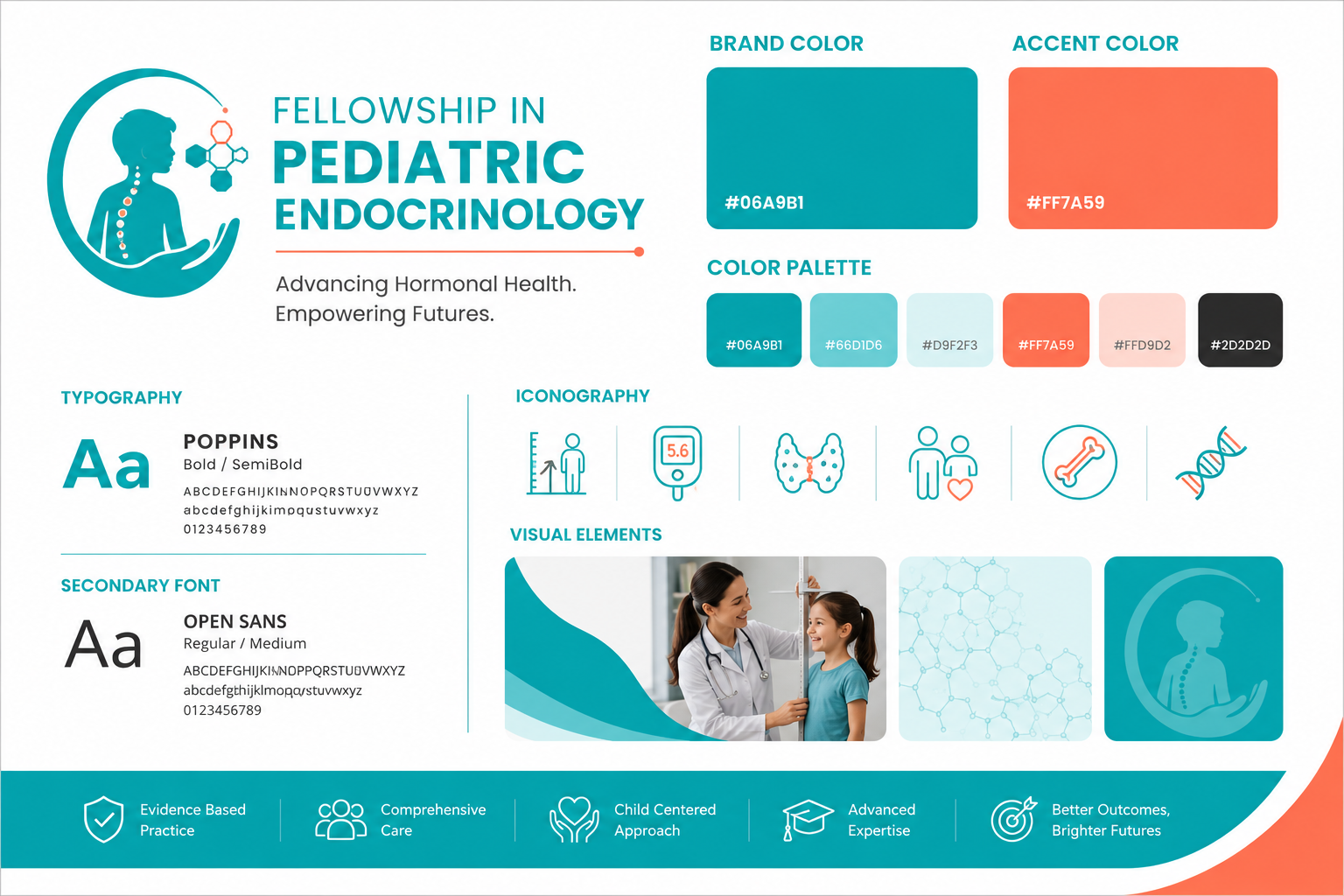

The Fellowship in Pediatric Endocrinology is a comprehensive 52-week advanced training program designed for healthcare professionals seeking specialized expertise in diagnosing and managing endocrine disorders in children and adolescents. The curriculum covers growth disorders, pediatric diabetes, thyroid and adrenal diseases, puberty disorders, obesity, metabolic syndromes, bone health, endocrine emergencies, and rare genetic conditions. Through evidence-based learning, case discussions, and clinical applications, participants develop the skills required to provide high-quality, patient-centered endocrine care and improve outcomes for pediatric patients.
The Fellowship in Pediatric Endocrinology is a comprehensive 52-week advanced training program designed for physicians and healthcare professionals seeking specialized knowledge and clinical expertise in the diagnosis, treatment, and long-term management of endocrine disorders affecting infants, children, and adolescents. As endocrine diseases continue to rise globally, particularly pediatric diabetes, obesity, growth disorders, and hormonal imbalances, there is an increasing demand for healthcare professionals trained in pediatric endocrine care.
This fellowship provides an in-depth understanding of the endocrine system and its role in growth, development, metabolism, reproduction, and overall child health. Participants will gain expertise in evaluating and managing a wide range of endocrine conditions, including growth hormone deficiency, short stature, delayed and precocious puberty, thyroid disorders, adrenal diseases, metabolic bone disorders, obesity, insulin resistance, and pediatric diabetes mellitus. The program also covers rare genetic endocrine syndromes and endocrine emergencies that require timely diagnosis and intervention.
The curriculum has been carefully structured to combine foundational endocrine science with practical clinical applications. Learners begin by developing a strong understanding of endocrine physiology, hormonal regulation, growth assessment, and diagnostic techniques. As the program progresses, participants explore specialized areas such as pediatric diabetes management, thyroid diseases, disorders of sexual development, pituitary disorders, calcium and bone metabolism, and genetic endocrine conditions. Each module incorporates evidence-based guidelines, case-based discussions, and real-world clinical scenarios to strengthen diagnostic reasoning and decision-making skills.
A major focus of the fellowship is the management of pediatric diabetes and obesity, two of the most significant challenges in modern pediatric healthcare. Participants will learn advanced approaches to insulin therapy, continuous glucose monitoring, insulin pump technologies, lifestyle modification strategies, and multidisciplinary diabetes care. Training also includes the prevention and management of acute complications such as diabetic ketoacidosis and severe hypoglycemia, as well as strategies for reducing long-term complications.
The program emphasizes the importance of growth and developmental assessment, enabling participants to identify and manage growth disorders at an early stage. Learners will develop proficiency in interpreting growth charts, evaluating growth hormone abnormalities, and formulating individualized treatment plans. Additionally, extensive training is provided in the diagnosis and management of pubertal disorders, including delayed puberty, precocious puberty, and disorders of sex development.
Participants will also gain specialized knowledge in thyroid and adrenal disorders commonly encountered in pediatric practice. The fellowship explores congenital hypothyroidism, autoimmune thyroid diseases, hyperthyroidism, adrenal insufficiency, congenital adrenal hyperplasia, and other endocrine abnormalities. Through structured learning and case reviews, learners will become confident in selecting appropriate diagnostic investigations and implementing evidence-based treatment strategies.
Another key component of the fellowship is the study of bone and mineral metabolism. Participants will learn to evaluate and manage conditions such as rickets, vitamin D deficiency, osteoporosis, parathyroid disorders, and inherited skeletal diseases. This knowledge is essential for optimizing bone health and supporting normal growth and development in children.
The fellowship also addresses the rapidly evolving field of endocrine genetics and precision medicine. Learners will explore genetic syndromes such as Turner syndrome, Klinefelter syndrome, Prader-Willi syndrome, and monogenic forms of diabetes. The program highlights the role of genetic testing, counseling, and personalized treatment approaches in improving patient outcomes.
In addition to clinical expertise, the program promotes professional development through training in research methodology, evidence-based medicine, biostatistics, quality improvement, and ethical practice. Participants will critically evaluate current literature, engage in scholarly activities, and complete a capstone project that demonstrates their ability to apply scientific evidence to clinical practice.
Upon completion of the Fellowship in Pediatric Endocrinology, graduates will possess the advanced knowledge and practical skills required to diagnose and manage a broad spectrum of endocrine disorders in children and adolescents. They will be equipped to provide comprehensive, patient-centered care, collaborate effectively with multidisciplinary teams, and contribute to improving pediatric endocrine health outcomes in hospitals, clinics, academic institutions, and specialized healthcare settings.
This fellowship is ideal for pediatricians, family physicians, endocrinologists, general practitioners, and healthcare professionals who wish to expand their expertise in pediatric endocrine care and advance their careers in this highly specialized and rapidly growing field of medicine.
- 12 Sections
- 98 Lessons
- 52 Weeks
- Foundations of Pediatric EndocrinologyThis module introduces learners to the fundamentals of pediatric endocrinology, including endocrine physiology, growth and development, hormone regulation, and diagnostic approaches. Participants will gain a strong understanding of endocrine system function across childhood and adolescence, providing the foundation for advanced clinical practice.8
- 1.1Introduction to Pediatric Endocrinology
- 1.2Endocrine Anatomy and Physiology
- 1.3Hormone Synthesis and Regulation
- 1.4Growth and Development in Children
- 1.5Endocrine Assessment and Clinical Examination
- 1.6Laboratory Investigations in Pediatric Endocrinology
- 1.7Interpretation of Hormonal Assays
- 1.8Imaging in Endocrine Disorders
- Growth Disorders and Growth Hormone DeficiencyThis module focuses on normal growth patterns and disorders affecting growth in children. Learners will study growth hormone physiology, short stature evaluation, growth hormone deficiency, and therapeutic interventions aimed at optimizing growth outcomes.8
- Puberty and Disorders of Sexual DevelopmentThis module covers pubertal development and disorders affecting sexual maturation. Participants will learn to diagnose and manage delayed puberty, precocious puberty, and disorders of sex development through a multidisciplinary and patient-centered approach.8
- Pediatric Diabetes MellitusThis module provides comprehensive training in the diagnosis, treatment, and long-term management of pediatric diabetes. Emphasis is placed on insulin therapy, diabetes technology, acute complications, and family-centered care.8
- Thyroid Disorders in ChildrenThis module explores congenital and acquired thyroid disorders commonly encountered in pediatric endocrinology. Learners will develop expertise in diagnosis, treatment, and long-term monitoring of thyroid diseases.8
- Adrenal DisordersThis module examines adrenal gland physiology and disorders affecting cortisol, aldosterone, and androgen production. Participants will learn evidence-based approaches to diagnosis and treatment.8
- Calcium, Bone, and Mineral MetabolismThis module focuses on disorders of calcium metabolism, bone health, and skeletal development. Learners will gain skills in managing metabolic bone diseases and optimizing pediatric bone health.8
- Obesity and Metabolic SyndromeThis module addresses the growing burden of pediatric obesity and related metabolic disorders. Participants will learn comprehensive strategies for prevention, assessment, and multidisciplinary management.8
- Pituitary and Hypothalamic DisordersThis module provides detailed knowledge of hypothalamic-pituitary disorders affecting growth, puberty, and hormonal regulation. Learners will understand diagnostic algorithms and treatment strategies.8
- Genetic and Rare Endocrine DisordersThis module introduces genetic syndromes and rare endocrine disorders encountered in pediatric practice. Emphasis is placed on precision medicine, genetic testing, and multidisciplinary management.8
- Pediatric Endocrine Emergencies and Critical CareThis module focuses on life-threatening endocrine emergencies requiring prompt diagnosis and intervention. Participants will develop skills necessary for acute pediatric endocrine management.8
- Research, Clinical Practice, and Capstone ProjectThe final module integrates clinical knowledge, research methodology, and professional development. Learners will complete a capstone project demonstrating competence in pediatric endocrinology and evidence-based practice.10
- 12.1Evidence-Based Pediatric Endocrinology
- 12.2Clinical Research Methodology
- 12.3Biostatistics for Clinicians
- 12.4Critical Appraisal of Literature
- 12.5Clinical Audit and Quality Improvement
- 12.6Ethics in Pediatric Endocrinology
- 12.7Multidisciplinary Team Management
- 12.8Capstone Research Project and Presentation
- 12.9Case-Based Discussions
- 12.10Fellowship Exit Assessment
You might be intersted in
-
167 Students
-
52 Weeks
-
132 Students
-
52 Weeks
-
133 Students
-
52 Weeks
-
123 Students
-
52 Weeks