
Certificate in Diabetes Mellitus
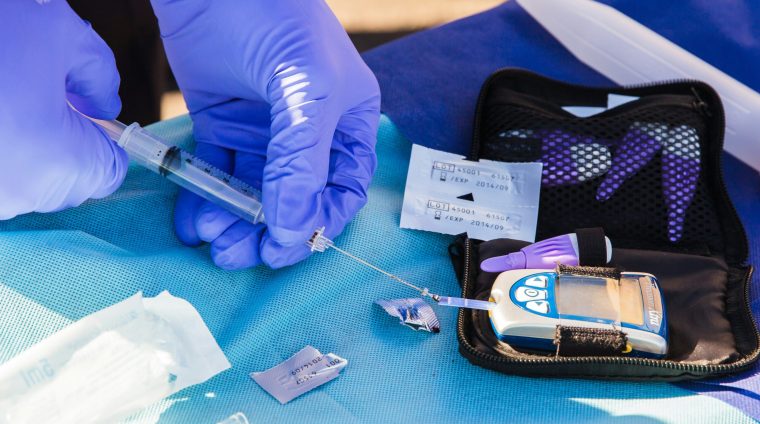

With the rising global prevalence of Diabetes Mellitus, healthcare professionals must be well-equipped to deliver effective and compassionate care. This certificate program offers a clear and comprehensive overview of diabetes, from understanding disease mechanisms to mastering diagnosis and long-term management. …
With the rising global prevalence of Diabetes Mellitus, healthcare professionals must be well-equipped to deliver effective and compassionate care. This certificate program offers a clear and comprehensive overview of diabetes, from understanding disease mechanisms to mastering diagnosis and long-term management. Through engaging video lectures, guided readings, and real-world case scenarios, learners gain the confidence to manage Type 1, Type 2, and gestational diabetes, while addressing key complications including neuropathy, nephropathy, and retinopathy.
- 5 Sections
- 58 Lessons
- 10 Weeks
- Diabetes Mellitus: Introduction6
- Diabetes Complications7
- 2.1Acute and Chronic Diabetes Complications
- 2.2Chronic Diabetes Complications
- 2.3Diabetes Microvascular Disease – Diabetes Complications
- 2.4Diabetes Macrovascular Disease – Diabetes Complications
- 2.5Diabetic Nephropathy (Diabetic Kidney Disease) – Diabetes Complications
- 2.6Diabetic Neuropathy (Diabetic Nerve Damage) – Diabetes Complications
- 2.7Diabetic Retinopathy (Diabetic Eye Disease) – Diabetes Complications
- Diabetic Ketoacidosis (DKA) & Hyperosmolar Hyperglycemic State (HHS)9
- 3.1Diabetic Ketoacidosis – Anesthesia Segment and Intravenous Injection – Diabetes Complications
- 3.2Hyperosmolar Hyperglycemic State (HHS) – Diabetes Complications
- 3.3Diabetic “Prevention With Eyes” – Treatment of Diabetes Mellitus
- 3.4Insulin Therapy – Treatment of Diabetes Mellitus
- 3.5Oral Medications for Diabetes Treatment
- 3.6Insulin: Good, Bad, Ugly for Students (Part 1) – Treatment of Diabetes Mellitus
- 3.7Insulin: Good, Bad, Ugly for Students (Part 2) – Treatment of Diabetes Mellitus
- 3.8Glycemic Monitoring: Glucometer and Hemoglobin A1c – Treatment of Diabetes Mellitus
- 3.9Diabetes Mellitus Screening Guidelines/How to Screen
- Type 1 Diabetes Mellitus5
- Type 2 Diabetes Mellitus31
- 5.1Diabetes Education
- 5.2Diabetic Ketoacidosis For Students
- 5.3Diabetic Ketoacidosis Overview for Students — 2
- 5.4Inpatient Hyperglycemia State (HHS)
- 5.5Diabetic Hyperglycemia State — Signs
- 5.6Diabetes: Hyperglycemia Diagnosis & Management
- 5.7Diabetes Guidelines: Pathophysiology, Physical Exam & Diagnosis
- 5.8Diabetes Guidelines: Treatment
- 5.9Hyperosmolar Hyperglycemic State (HHS)
- 5.10Hypoglycemia
- 5.11Diabetes Mellitus: Signs and Symptoms – Diabetes Mellitus
- 5.12Glycogenesis and Glycogenolysis – Diabetes Metabolism
- 5.13Serotonin and Dopamine Dysfunction – Diabetes Metabolism
- 5.14Mobilizing Amino Acids: Gluconeogenesis and Transamination – Diabetes Metabolism
- 5.15GIP, Incretins and GLP-1 Agonists – Diabetes Metabolism
- 5.16DKA Pathophysiology – Diabetes Metabolism
- 5.17Case Studies – Diabetes Metabolism
- 5.18Type 2 Diabetes (Juvenile Onset) Case Study
- 5.19Type 2 Diabetes Mellitus (Juvenile Onset): Family Presentation
- 5.20Type 2 Diabetes Mellitus: Clinical Clues for Experts
- 5.21Type 2 Diabetes Mellitus: Diagnosis and Management
- 5.22Signs and Clues for Type 2 Diabetes
- 5.23Type 2 Diabetes Mellitus (DM)
- 5.24Risks of Adult Diabetes
- 5.25Type 2 Diabetes: HbA1c
- 5.26Type 2 Diabetes Mellitus: Patient Education and Self-monitoring of Blood Glucose
- 5.27Type 2 Diabetes Mellitus: Hemoglobin A1c (HbA1c) Monitoring and Non-pharmacologic Approaches
- 5.28Type 2 Diabetes Mellitus: Management (Diet & Exercise)
- 5.29Type 2 Diabetes Mellitus: Follow-up Management
- 5.30Type 2 Diabetes Mellitus: Hospital Management
- 5.31Type 2 Diabetes Mellitus: Outpatient Care