
Diploma in clinical neurology
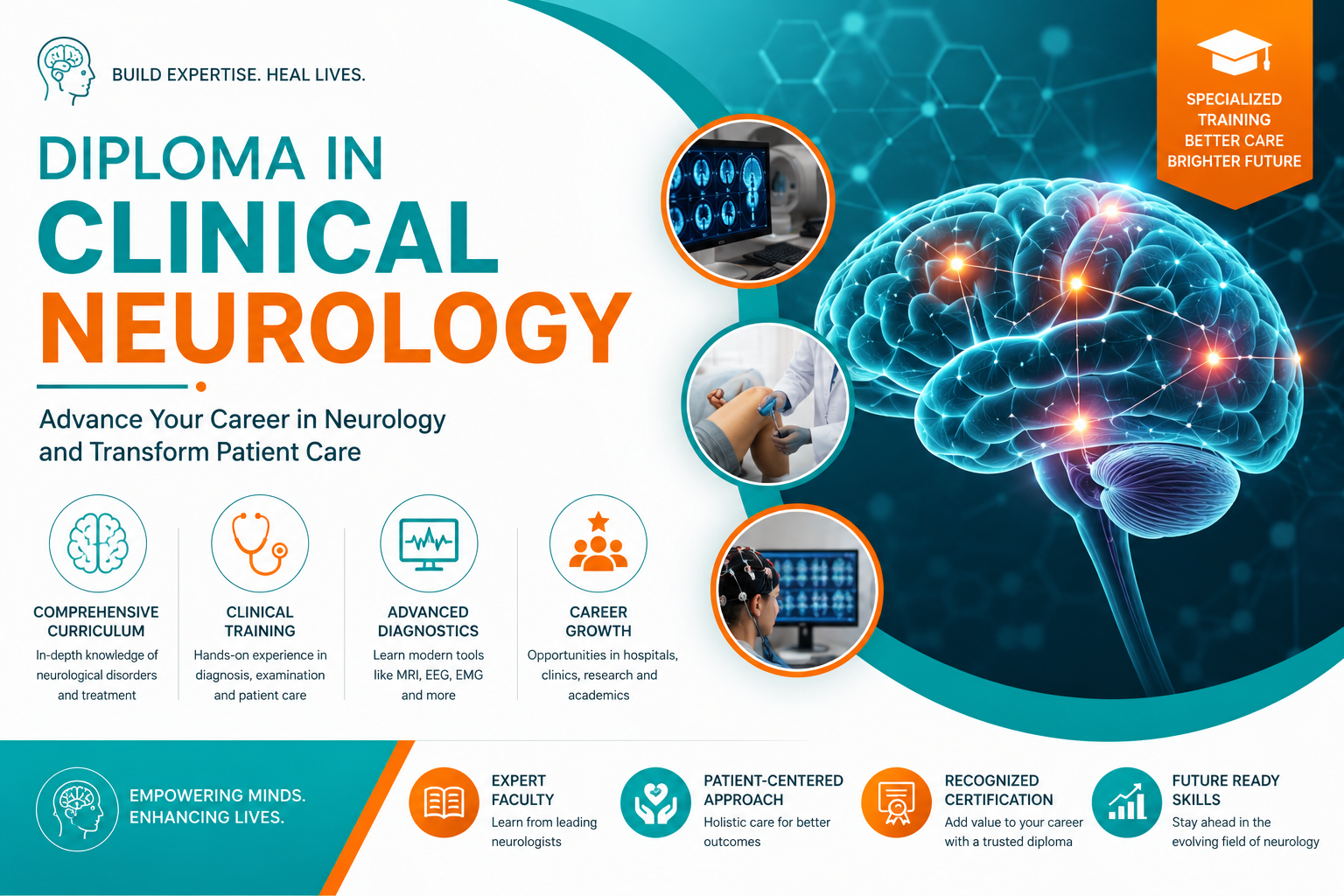

A Diploma in Clinical Neurology provides specialized training in diagnosing and managing neurological disorders affecting the brain, spinal cord, nerves, and muscles. The program combines theoretical knowledge with practical clinical experience, preparing healthcare professionals for advanced careers in neurology, patient care, and neurological research.
A Diploma in Clinical Neurology is a specialized medical program designed to provide healthcare professionals with advanced knowledge and practical skills in diagnosing, managing, and treating disorders of the nervous system. This diploma focuses on the study of neurological diseases affecting the brain, spinal cord, nerves, and muscles, including conditions such as epilepsy, stroke, Parkinson’s disease, multiple sclerosis, migraine, neuropathy, and dementia. The program combines theoretical learning with clinical training, allowing students to develop expertise in neurological examination techniques, neuroimaging interpretation, patient assessment, and emergency neurological care. Students gain exposure to modern diagnostic tools such as MRI, CT scans, EEG, and nerve conduction studies, helping them understand complex neurological conditions more effectively. The curriculum often includes neuroanatomy, neurophysiology, neuropathology, neuropharmacology, pediatric neurology, and rehabilitation medicine. A Diploma in Clinical Neurology is highly beneficial for medical graduates and healthcare professionals seeking to enhance their careers in neurology, neuroscience research, or specialized patient care. With the increasing prevalence of neurological disorders worldwide, the demand for skilled neurology professionals continues to grow rapidly. This diploma equips candidates with the clinical confidence, analytical thinking, and patient management skills required to work in hospitals, neurological clinics, rehabilitation centers, and academic institutions. It also serves as a strong foundation for further specialization and advanced studies in neurology and related medical fields.
- 7 Sections
- 4 Lessons
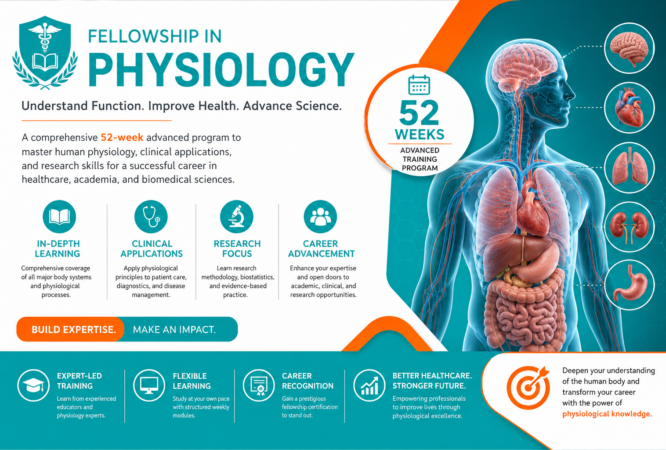
- 52 Weeks
- Introduction to Clinical NeurologyBasics of the nervous system Structure and function of the brain and spinal cord Neurological terminology and clinical concepts0
- NeuroanatomyAnatomy of the central nervous system Peripheral nervous system Cranial nerves and spinal tracts Functional localization in neurology0
- NeurophysiologyNerve impulse transmission Motor and sensory pathways Reflex mechanisms Brain function and consciousness0
- Neurological Examination TechniquesClinical history taking Mental status examination Cranial nerve assessment Motor and sensory system examination Reflex and coordination testing0
- Diagnostic NeurologyMRI and CT scan interpretation Electroencephalography (EEG) Electromyography (EMG) Nerve conduction studies Lumbar puncture procedures0
- Fundamentals of NeuroanatomyFundamentals of Neuroanatomy introduces students to the structure and organization of the nervous system, including the brain, spinal cord, and peripheral nerves. This lesson helps learners understand how different parts of the nervous system function together to control movement, sensation, coordination, memory, and other essential body activities.0
- Neuromuscular DisordersPeripheral Neuropathy Myasthenia Gravis Muscular Dystrophies Motor Neuron Disease Neuromuscular Junction Disorders4
You might be intersted in
-
132 Students
-
52 Weeks
-
124 Students
-
52 Weeks
-
133 Students
-
52 Weeks
-
123 Students
-
52 Weeks