
Fellowship in Hematology
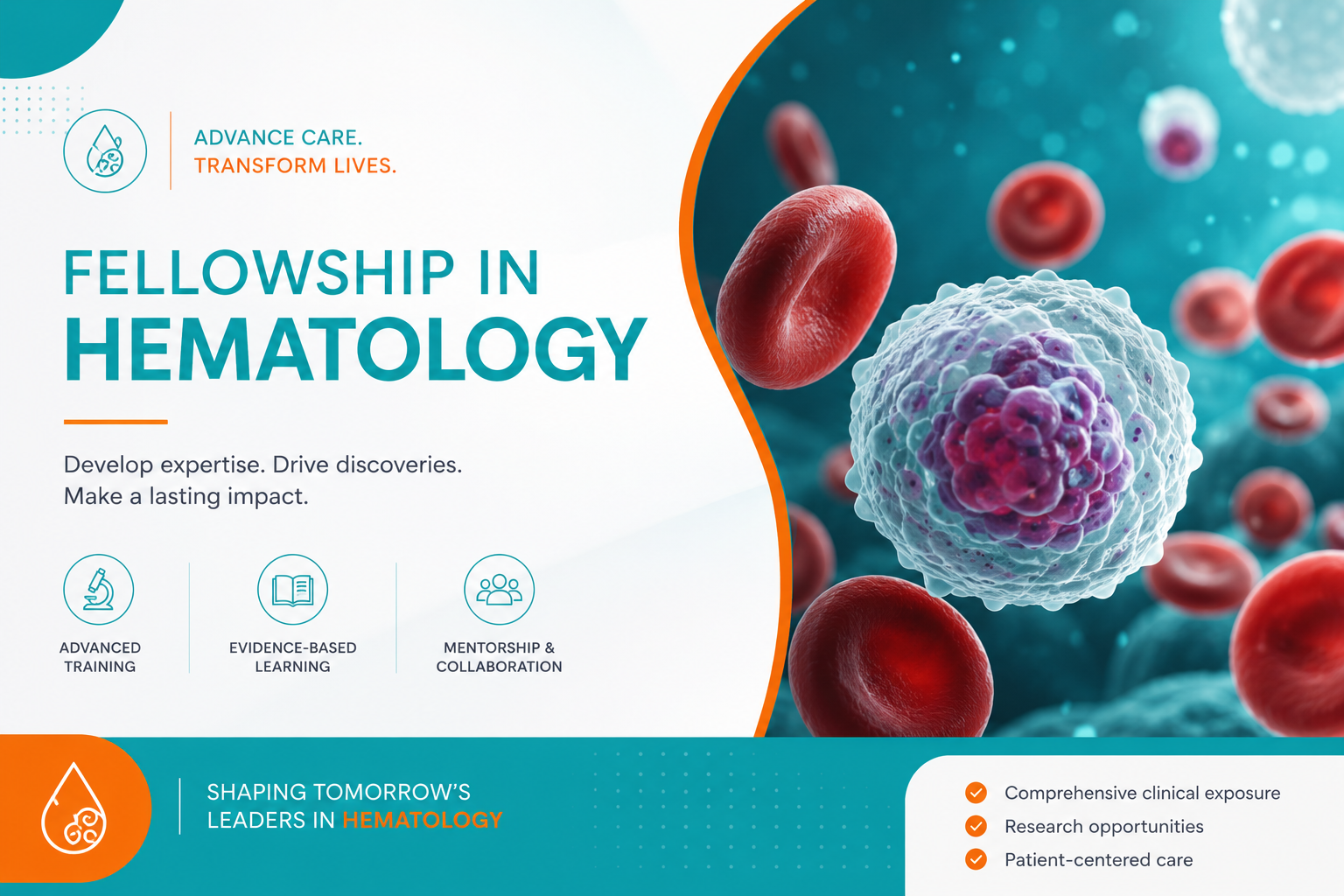

The Fellowship in Hematology is a comprehensive 52-week advanced training program designed for medical graduates, physicians, healthcare professionals, and clinicians seeking specialized expertise in the diagnosis, evaluation, treatment, and management of hematological disorders. This fellowship provides in-depth knowledge of both …
The Fellowship in Hematology is a comprehensive 52-week advanced training program designed for medical graduates, physicians, healthcare professionals, and clinicians seeking specialized expertise in the diagnosis, evaluation, treatment, and management of hematological disorders. This fellowship provides in-depth knowledge of both benign and malignant blood diseases, equipping learners with the clinical competencies required to manage complex hematologic conditions in hospitals, specialty clinics, academic institutions, and research settings.
Hematology is a rapidly evolving medical specialty that focuses on disorders of the blood, bone marrow, lymphatic system, and coagulation pathways. With increasing advancements in molecular diagnostics, targeted therapies, immunotherapy, stem cell transplantation, and personalized medicine, healthcare professionals require specialized training to remain current with modern hematologic practice. This fellowship bridges the gap between theoretical knowledge and clinical application through a structured curriculum that integrates foundational sciences, laboratory diagnostics, evidence-based treatment approaches, and case-based learning.
The program begins with a strong foundation in hematopoiesis, blood cell physiology, bone marrow function, and laboratory hematology. Participants gain a thorough understanding of blood cell development, normal hematologic parameters, and diagnostic techniques including complete blood count interpretation, peripheral blood smear analysis, bone marrow examination, flow cytometry, cytogenetics, and molecular diagnostics. These essential skills enable accurate diagnosis and effective management of hematologic disorders.
A major component of the fellowship focuses on red blood cell disorders and various forms of anemia. Learners explore the causes, pathophysiology, diagnostic workup, and management of iron deficiency anemia, megaloblastic anemia, hemolytic anemia, aplastic anemia, thalassemia, sickle cell disease, and inherited red cell disorders. Emphasis is placed on developing systematic approaches to patient evaluation and treatment planning based on current clinical guidelines.
The fellowship also provides extensive training in disorders affecting white blood cells, platelets, and coagulation systems. Participants learn to diagnose and manage leukopenia, leukocytosis, neutropenia, thrombocytopenia, platelet function disorders, bleeding disorders, thrombotic conditions, hemophilia, von Willebrand disease, and disseminated intravascular coagulation. Advanced concepts in hemostasis, thrombosis, and anticoagulant therapy are integrated into clinical decision-making frameworks.
A significant portion of the curriculum is dedicated to hematologic malignancies, including acute and chronic leukemias, lymphomas, multiple myeloma, myelodysplastic syndromes, and myeloproliferative neoplasms. Learners gain comprehensive knowledge of disease biology, risk stratification, staging systems, molecular markers, and contemporary treatment strategies. The program explores chemotherapy protocols, targeted therapies, immunotherapies, monoclonal antibodies, cellular therapies, and precision medicine approaches that are transforming hematologic oncology.
The fellowship further examines pediatric hematology, enabling participants to understand age-specific blood disorders, inherited hematologic diseases, childhood leukemias, neonatal hematologic conditions, and long-term patient management. Special attention is given to genetic disorders and multidisciplinary approaches to pediatric care.
Transfusion medicine is another key focus area of the program. Participants develop expertise in blood banking, blood group systems, compatibility testing, blood component therapy, transfusion indications, transfusion reactions, patient blood management, and quality assurance practices. Understanding safe and effective transfusion practices is essential for modern hematology and critical care management.
The program also provides advanced training in hematopoietic stem cell transplantation and cellular therapies. Learners explore donor selection, HLA matching, transplantation protocols, conditioning regimens, graft-versus-host disease management, post-transplant care, and emerging innovations such as CAR-T cell therapy. These topics prepare participants for involvement in specialized hematology and transplant centers.
Beyond clinical practice, the fellowship emphasizes research methodology, evidence-based medicine, clinical trials, biostatistics, and ethical considerations in hematology. Participants learn to critically evaluate scientific literature, apply research findings to patient care, and contribute to academic and clinical advancements within the field. Case discussions, clinical problem-solving exercises, and capstone projects further enhance analytical and decision-making skills.
Upon successful completion of the Fellowship in Hematology, graduates will possess advanced knowledge and practical competencies in laboratory hematology, blood disorders, hematologic malignancies, transfusion medicine, coagulation disorders, stem cell transplantation, and emerging therapeutic technologies. They will be well-prepared to provide high-quality patient care, participate in multidisciplinary healthcare teams, pursue academic and research opportunities, and contribute to improving outcomes for patients with hematologic diseases.
This fellowship serves as an ideal pathway for healthcare professionals seeking to advance their careers in hematology while developing the specialized expertise required to meet the growing demand for skilled practitioners in this highly specialized and rapidly advancing medical discipline.
- 1 Section
- 17 Lessons
- 52 Weeks
- Hematology17
- 1.1Anemia and Iron Deficiency – Red Cell Disorders
- 1.2Thalassemia – Red Cell Disorders
- 1.3Types of Anemia – Red Cell Disorders
- 1.4Polycythemia – Red Cell Disorders
- 1.5Types – Leukemia
- 1.6Acute Leukemia – Leukemia
- 1.7Chronic Leukemia – Leukemia
- 1.8Hodgkin Lymphoma – Lymphoma
- 1.9Non-Hodgkin Lymphomas – Lymphoma
- 1.10Other Types – Lymphoma
- 1.11Myelodysplasia – Hematopoietic Malignancies and Aplastic Anemia
- 1.12Myeloproliferative Disease – Non-malignant conditions and Multiple Myeloma
- 1.13Aplastic Anemia – Hematopoietic Malignancies and Aplastic Anemia
- 1.14Hemostasis – Bleeding Disorders
- 1.15Other Forms – Bleeding Disorders
- 1.16Thrombosis – Thrombosis and Anti- Thrombotic Therapy
- 1.17Anticoagulant Drugs – Thrombosis and Anti- Thrombotic Therapy